
Key takeaways
- Fix the small things buyers notice first.
- Address safety and water issues before listing.
- Fresh caulk and paint go a long way.
- A punch list keeps you organized.
Start with a walk-through
Walk the house as a buyer would. Look at doors, trim, floors, walls, bathrooms, kitchens and the exterior. Write down every sticking door, loose handle, chipped paint and dripping faucet.
A written list turns a vague worry into a plan.
Safety and water first
Inspectors flag safety items and signs of water. Check smoke and carbon monoxide alarms, handrails, GFCI outlets, leaks and soft wood.
Fixing these early avoids surprises during negotiation.
Cosmetic touch-ups
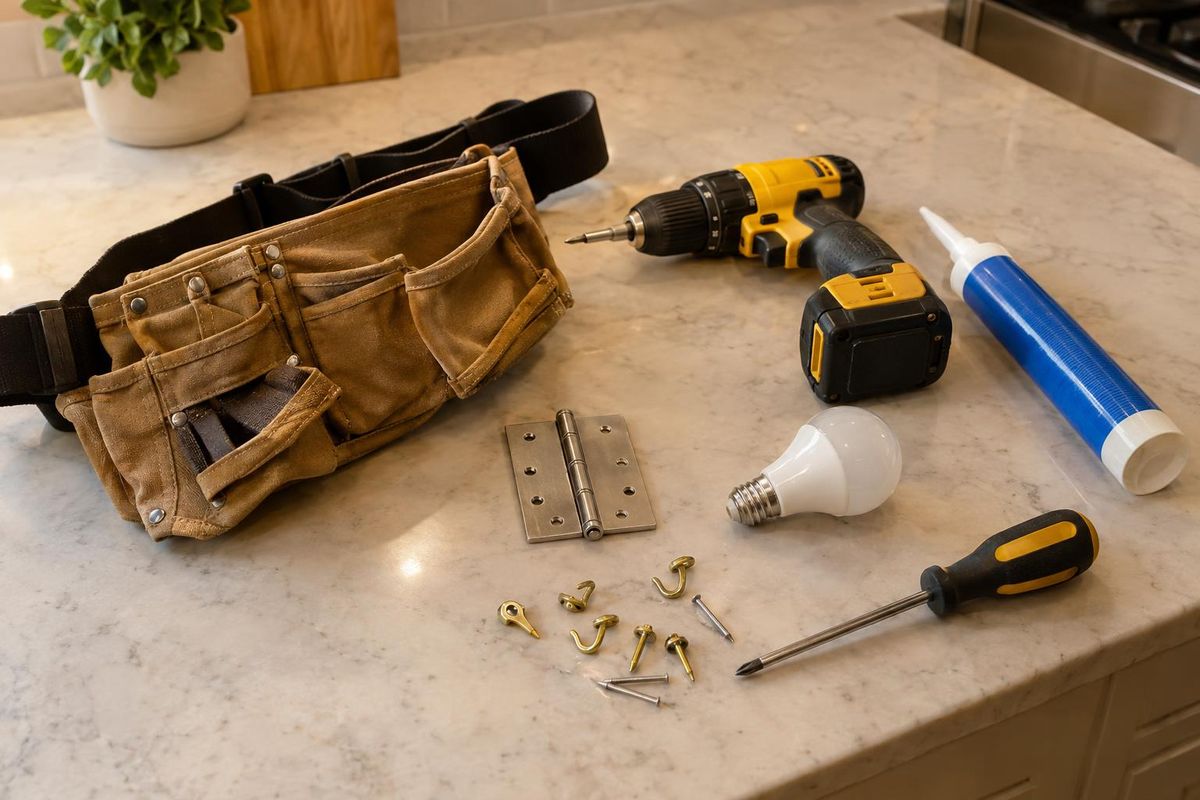
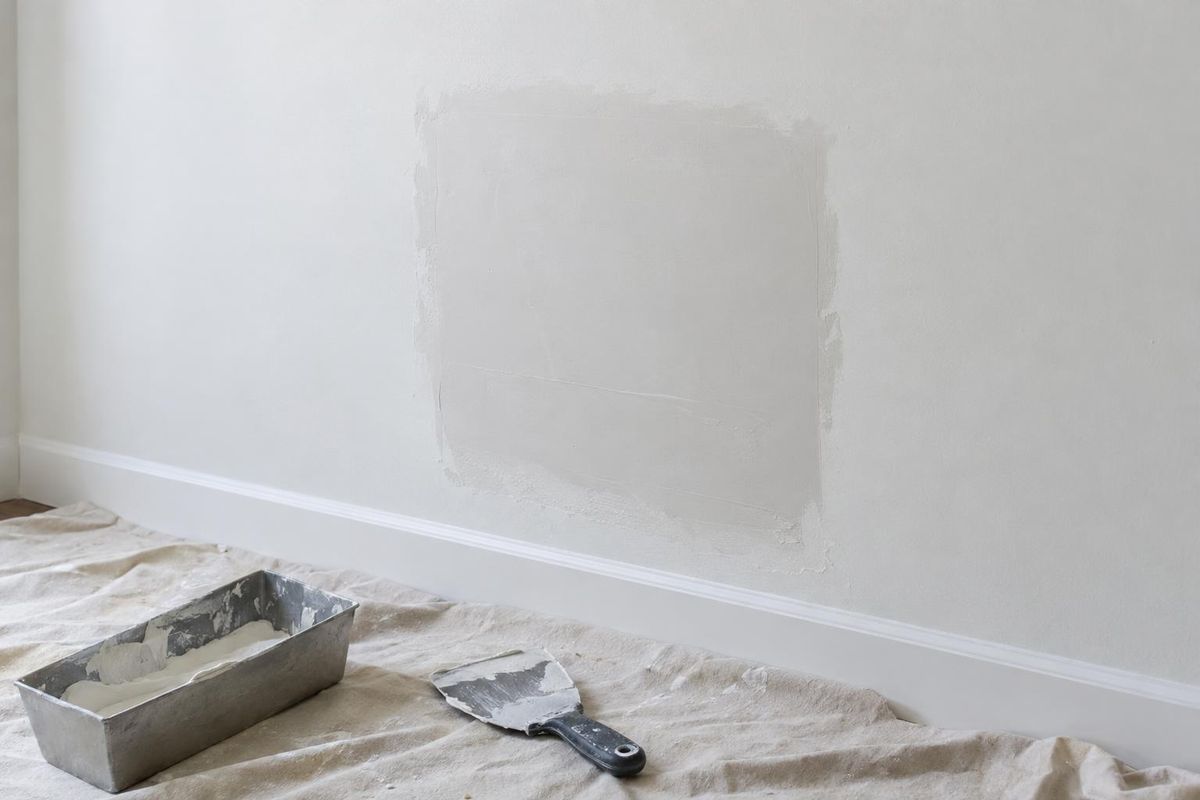
Fresh caulk in bathrooms, patched and painted walls, tightened hardware, replaced cracked outlet covers and clean trim make a house feel cared for.
Do not forget the front door and entry.
Curb appeal
Pressure wash the driveway and siding, repair the fence and mailbox and stain or seal the deck. The first view of the house sets the tone.
Make sure gutters are clean.
Quick answers
What do buyers notice most?
Condition of the entry, kitchens, bathrooms, paint and anything that looks neglected.
Should I repair everything an inspector finds?
It depends on the item and the negotiation. Safety and water items are usually worth fixing.
Can a handyman handle my list?
Yes. See pre-sale punch list repairs.