Key takeaways
- Handymen are best for small and medium repairs and installs.
- Specialist trades handle large electrical, plumbing and structural work.
- Bundling small jobs saves time.
- Ask what is included, and what is not.
What a handyman does well
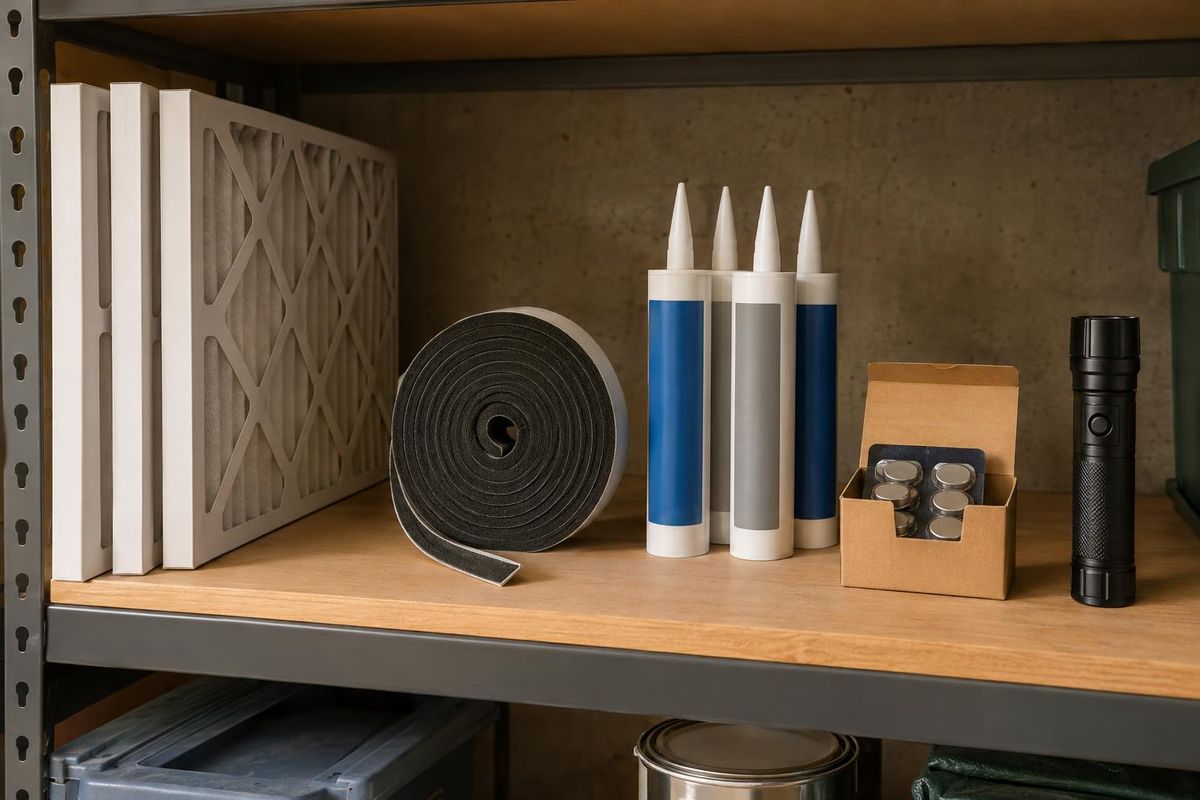
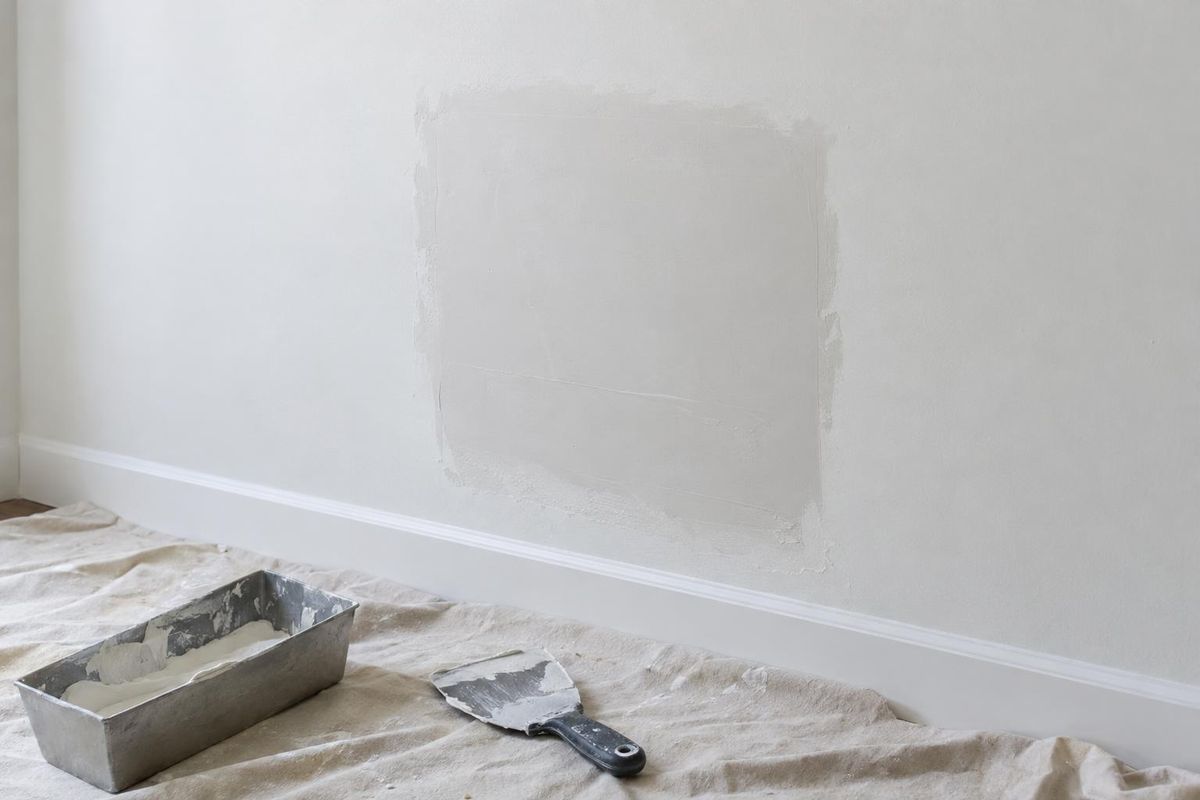
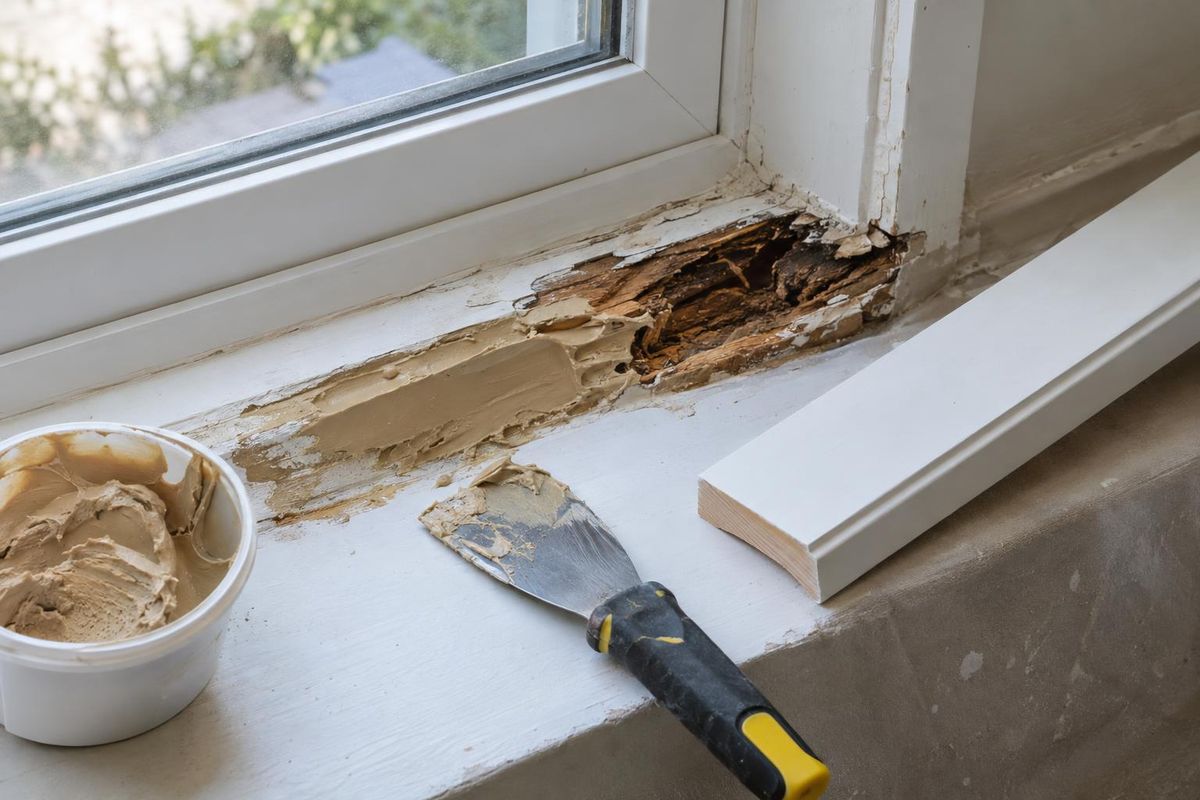
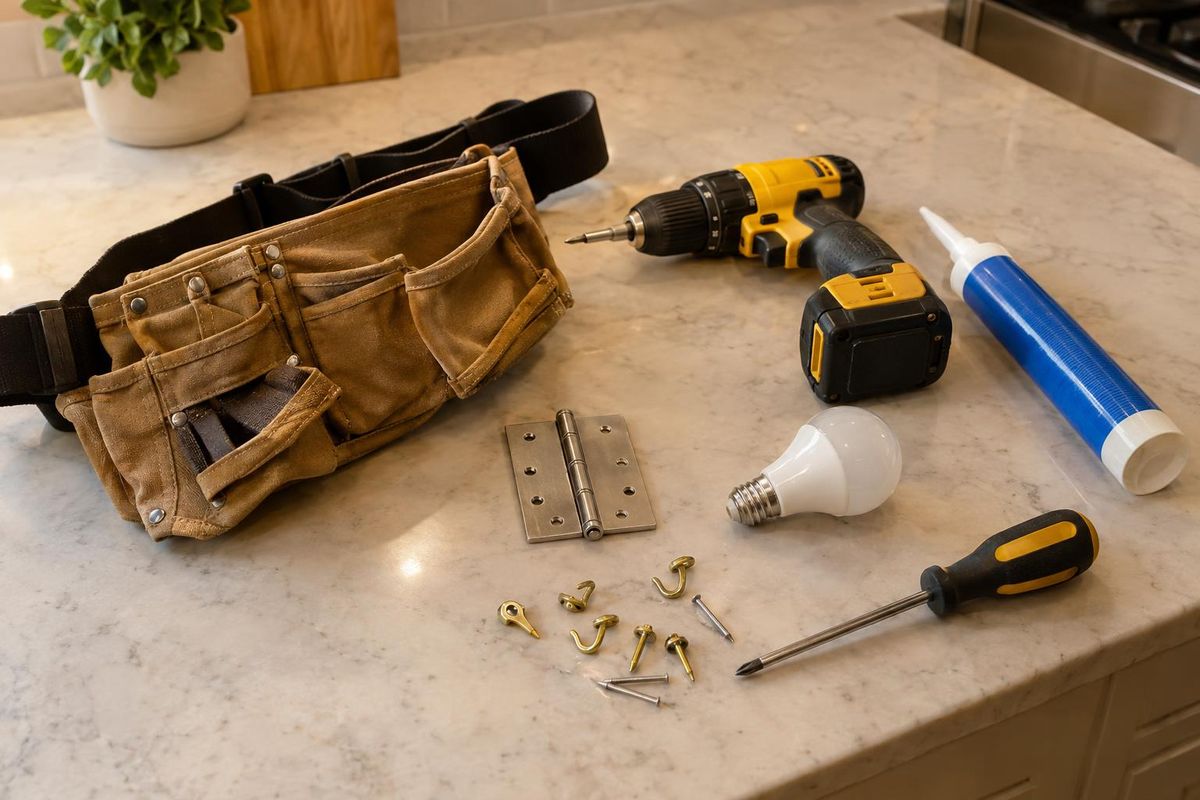
A handyman handles the many small jobs that make a house work: patching drywall, hanging doors, mounting TVs, assembling furniture, replacing fixtures, repairing decks and fences, caulking and painting touch-ups.
These jobs need a range of skills more than a single specialty, and a handyman brings them together in one visit.
When to call a specialist
New electrical circuits, panel work, gas lines, major plumbing, structural changes, roofing and HVAC belong to specialists who carry the right credentials for that work.
A good handyman will tell you when a job is beyond his lane and point you to the right trade.
Why bundling helps
Calling one person for ten small jobs saves time compared to calling ten people. A honey-do list lets a handyman bring the right parts and work through the list in one or two visits.
It also gives you one point of contact.
How to get a good result
Make a list with photos, note what you have already bought and ask what is included. Agree on the scope before work starts.
Clear communication prevents surprises.
Quick answers
Can a handyman do electrical work?
Small like-for-like swaps such as outlets, switches and fixtures are common. New circuits and panel work belong to an electrician.
Should I hire a handyman for a remodel?
Small updates yes. A full remodel is a contractor's project.
How do I prepare for a visit?
Make a list, take photos and clear access to the work areas.